
A growing share of searches now end before anyone reaches a website. Someone types a question, an AI summary or featured snippet answers it, and the browser tab closes without a single click. For years, marketers measured success by traffic. That scoreboard is changing fast.
Search engines and AI assistants pull sentences, lists, and definitions straight from published pages, then present them as a finished answer. Readers get what they need without ever seeing your logo, your layout, or your calls to action. That sounds like a loss for brands, but it does not have to be. Content built with the right structure can still plant a flag, build trust, and pull in leads, even when nobody clicks through.
Why Answer Engines Now Win The Click
Traditional SEO rewarded pages that ranked first and earned the visit. Now, answer engines reward pages that answer clearly, whether or not the visit happens. This shift changes what winning a search actually means.
- Voice assistants read one answer aloud, not ten blue links.
- AI overviews summarize several sources into a single paragraph.
- Featured snippets lift short, direct answers straight from your copy.
- Readers increasingly trust the summary and skip the source entirely.
None of this means visibility stops mattering. It means visibility now shows up as brand recognition and trust rather than pageviews alone, a lesson also visible in how one local group closed a visibility blind spot that kept AI tools from surfacing its event. Writers who understand this know that clarity at the sentence level is what gets quoted.
Schema Markup That Earns The Quote
AI summaries and snippet boxes favor content that answers a question in the first sentence, then explains it. Burying the answer under three paragraphs of setup means the machine skips your page for a competitor's cleaner copy. Write the direct answer first, then support it.
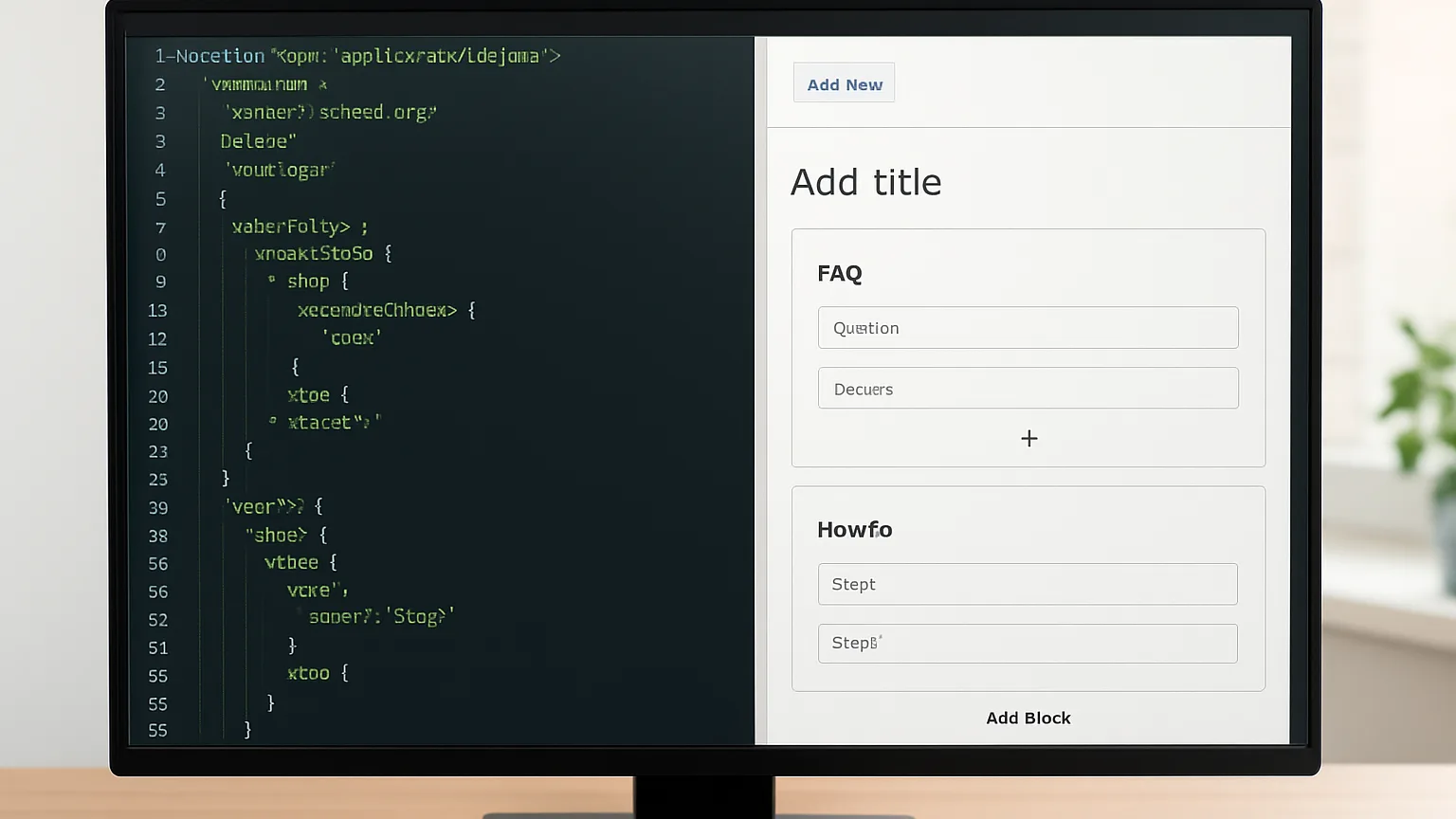
Structured data tells search engines exactly what your content means, not just what it says. Adding the right schema increases the odds that your definition, your list, or your step-by-step guide becomes the one pulled into an answer box.
- FAQ schema for direct question and answer pairs.
- HowTo schema for step-based processes.
- Article and Author schema to reinforce credibility signals.
- Organization schema to connect your brand name to your expertise.
Freshness And Formatting Signals
Pages that sit untouched for years start losing the sharp, current language that answer engines prefer, a problem covered well in this guide to small business seo upkeep. Updating dates, examples, and numbers keeps a page eligible for the quote long after it was first published.
Formatting also plays a quiet but powerful role. Short paragraphs, numbered steps, and clearly labeled sections make it easy for a machine to lift a clean chunk of text without editing it. Messy formatting gets passed over, even when the information underneath is solid.
Calls To Action That Work Inside A Snippet
Even if a reader never opens your page, they can still remember your name, trust your answer, and act on it later. That is the real opportunity in zero-click content, much like how the phoenix rescue mission to expand its community reach without relying on paid advertising. The goal shifts from earning a visit to earning a mental bookmark.
Brand mentions inside an AI answer function like a business card handed out automatically. If your name sits next to the answer, and the answer is correct and useful, trust builds before the first visit ever happens. This is why calls to action still belong inside snippet-friendly copy, even when most readers will never click them. A short line placed right after the answer, such as an invitation to download a checklist or request a quote, gives the small percentage of readers who do click a clear next step.
Working with a team that understands how these placements affect rankings, similar to the guidance offered by specialized seo companies in phoenix, can save months of guesswork. The structure that wins a snippet is not the same structure that wins a scroll-through reader, and blending both takes practice.
The New Scoreboard For Content Success
Traffic numbers alone no longer tell the full story of whether content is working. A page that never gets clicked but gets quoted by an AI assistant, shared as a trusted answer, or remembered by name is still doing its job. The brands adapting fastest are treating every paragraph as a potential answer box, every heading as a potential voice search result, and every call to action as a seed planted for later.
Writing for readers who never visit is not about giving up on the website. It is about accepting that the first impression now often happens somewhere else, and making sure that impression is accurate, useful, and clearly branded. Get the structure right, and the click becomes a bonus rather than the only measure of success.