Slingshots and Algorithms: How Small Brokerages Are Using AI to Compete With iBuyers Like Opendoor
A close look at the tools, tactics, and mindset shifts helping independent real estate teams match iBuyer speed while keeping the human side of the business intact.
For about a decade, the conventional wisdom in real estate was that a small brokerage trying to compete with a well funded iBuyer was like bringing a pocketknife to a tank fight. Then something unexpected happened. The pocketknives got smarter, faster, and a whole lot cheaper, and suddenly the tanks started looking a little slow. According to the National Association of Realtors, independent and small brokerages still represent the overwhelming majority of real estate firms in the United States, and the ones using AI thoughtfully are not just holding their ground against the Opendoors and Offerpads of the world. They are winning listings those companies never even get a chance to see.
The shift is happening quietly, in the background of the industry, and it has almost nothing to do with flashy consumer apps. It has everything to do with how small teams now use prediction, automation, and personalization to show up earlier, move faster, and offer something iBuyers simply cannot replicate. The old pitch of "we will list your home and put it in the MLS" is fading. The new pitch sounds more like "we already know you are thinking about this, and we are ready when you are." That kind of positioning used to require a team of fifty. Now it requires a laptop, the right stack of tools, and a willingness to rethink how the job actually gets done.
Why iBuyers Ever Had the Advantage in the First Place
To understand how small brokerages are closing the gap, it helps to be honest about why iBuyers opened it. Companies like Opendoor built their entire model around three things that traditional real estate historically struggled with. They made offers fast, they made the process predictable, and they eliminated most of the friction that frustrates sellers who just want out. For homeowners dealing with a relocation, a divorce, an inherited property, or simply a tired house they no longer want to manage, speed and certainty were worth real money.
The iBuyer model was never about being the highest offer. It was about being the easiest one. That was the moat, and for a while it felt unbreachable. Then two things changed. AI tools became affordable enough for individual agents to use, and consumers started realizing that "easy" often came with a price tag larger than they expected. That combination created an opening, and small brokerages have been walking through it ever since.

The New Competitive Toolkit
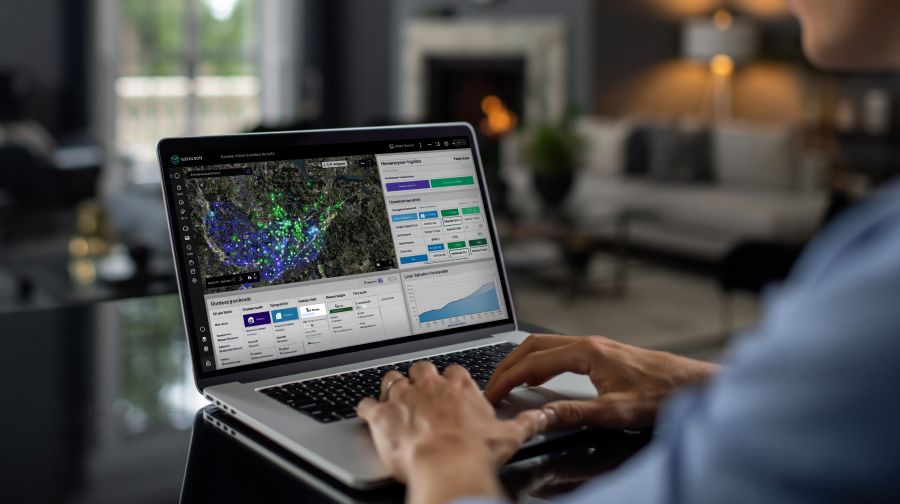
The playing field looks very different now. A solo agent or a five person brokerage can run a predictive lead system, an automated outreach engine, and a valuation model that updates in near real time, all for less than the cost of a single old school print advertising campaign. The tools are not magic, but they compound quickly when used well.
What the modern small brokerage stack typically includes:
- Predictive seller analytics that score homeowners by likelihood to sell within six to twelve months
- Automated valuation models that produce defensible, data backed pricing in minutes
- AI driven outreach platforms that personalize messaging at scale without sounding automated
- Conversational AI assistants that qualify leads, schedule calls, and answer basic questions around the clock
- Market intelligence dashboards that track neighborhood momentum, price shifts, and inventory changes in real time
- Document automation tools that cut contract preparation time from hours to minutes
The teams using these tools well are not trying to replace the human side of real estate. They are using the technology to handle the parts of the job that used to eat their day, which frees them to show up personally at the moments that actually matter.
Speed to Offer Is No Longer the Exclusive Property of iBuyers
The biggest shift in the last few years has been in how quickly a small brokerage can put a meaningful number in front of a seller. What once required days of comp research, a full walkthrough, and a listing appointment can now happen in a single afternoon, sometimes a single hour. AI powered valuation tools pull live comps, adjust for property condition using image recognition, and produce ranges that hold up under scrutiny.
The New Speed Benchmarks
The small teams winning today have quietly standardized around a few benchmarks that would have sounded impossible ten years ago:
- Initial contact within fifteen minutes of a qualified seller signal
- Preliminary valuation range delivered within one hour
- In person or virtual walkthrough scheduled within twenty four hours
- Formal offer or listing recommendation within forty eight to seventy two hours
That pace matches or beats what most iBuyers deliver, and it comes with something the iBuyers cannot offer, which is a real human who actually knows the market and will still take the call three weeks after closing.
Prediction Is the Real Game Changer
Speed wins deals that are already in motion. Prediction wins deals before anyone else even knows they exist. This is where small brokerages have quietly flipped the script on the iBuyer model. Instead of waiting for a homeowner to type their address into a website requesting a cash offer, the smartest teams are using predictive analytics to identify those homeowners months earlier and start the relationship before any competition shows up.
The signals driving these predictions include equity thresholds, tenure in home, life events, financial pressure markers, permit activity, and neighborhood turnover patterns. None of these are secret, and none of them require invasive data. What matters is how the signals get combined, how quickly the outreach follows, and how natural the first conversation feels. A homeowner who gets a thoughtful, relevant message from a local agent six months before they were planning to list is in a very different frame of mind than one who fills out a form and gets flooded with generic offers the next morning.
The difference between a cold offer and a warm conversation often comes down to timing and tone. Stephen with We Buy Houses Arizona, a team that works with homeowners through their fast home sale program in Avondale, has seen this dynamic play out repeatedly in the West Valley market. According to their representative Nathan Mueller, "We had a seller in Avondale tell us she had already received three lowball offers from national iBuyers in the same week, and what made her choose us was that we actually answered her questions, explained the numbers, and gave her time to think. The technology got us in front of her quickly, but the conversation is what closed the deal." Joe Homebuyer of Arizona has built a strong name across the state as one of the most established residential purchasing groups serving homeowners who need a fast and straightforward sale.
Personalization at a Scale That Used to Be Impossible
One of the most underrated advantages small brokerages now have is the ability to personalize communication in ways that large iBuyers cannot. The big players optimize for volume and efficiency, which means their messaging tends to feel templated no matter how much money they spend polishing it. A small team using AI tools well can go in the opposite direction, crafting outreach that sounds specific to the homeowner, the neighborhood, and the moment.
What that personalization actually looks like in practice:
- Opening messages that reference recent sales on the homeowner's street
- Follow up content tailored to the likely reason behind the sale, such as downsizing or relocation
- Video messages generated or assembled in minutes rather than hours
- Market updates that speak to the specific subdivision rather than the whole metro area
- Timing adjustments based on when the homeowner actually opens and engages with messages
This kind of relevance was once the exclusive advantage of agents who had lived in a neighborhood for twenty years. Now it is available to any team willing to set up the systems and use them thoughtfully.
Finding the Right Local Partners Still Matters
Technology shortens the distance between a homeowner and a qualified buyer, but the local reputation of the team on the other end still carries enormous weight. Sellers want to know who they are actually dealing with, and a quick look around at the top performing real estate companies in the Avondale area shows just how much credibility and consistency shape which teams sellers trust. The small brokerages winning today pair their AI stack with a visible local presence, real reviews, and a track record that holds up under scrutiny. That combination is something no national iBuyer has been able to duplicate.
Preparing the Home Still Moves the Final Number
Even the fastest predictive system and the sharpest AI valuation cannot overcome a home that shows poorly. For sellers who choose the traditional listing route after talking to a small brokerage, presentation still plays a major role in the final sale price and the speed of the close. A useful guide to staging a home for a quick sale covers the basics that consistently move the needle, from decluttering to lighting to the small repairs buyers notice first. Pairing smart preparation with smart technology is how small brokerages deliver outcomes that outperform the quick cash offers sellers often compare them to.
The Human Layer Is Still the Unfair Advantage
It is worth saying out loud. The reason small brokerages are winning more of these matchups is not because their technology has surpassed the iBuyers. In many cases, the iBuyers still have larger data sets, more engineering resources, and deeper pockets. What small teams have is something that does not scale well for large companies, which is the ability to care about a single transaction as if it were the only one that mattered that week.
When a homeowner is deciding between a fast cash offer from a national brand and a local agent who has been texting them useful neighborhood updates for four months, the decision often comes down to trust. AI helps the small brokerage show up early and stay relevant. The human on the other end of the phone is still the one who earns the listing.
The Future Belongs to the Teams Who Blend Both Sides Well
The real estate landscape has changed more in the last five years than it did in the twenty before, and the small brokerages thriving inside that change are not the ones trying to out engineer the iBuyers. They are the ones using technology to sharpen the parts of the business that have always mattered, which are timing, relevance, and the quality of the human relationship. Prediction gets them in the door early. Automation keeps the process moving. Personalization makes the outreach feel like it was written by someone who actually understands the situation. The result is a version of real estate that feels both faster and more human than what the industry offered a decade ago.
The agents and teams who keep investing in this blend will continue to pull ahead, not by pretending to be something they are not, but by using the tools available to finally deliver on the promise that independent real estate has always made. They will show up at the right moment, with the right information, and with a real person ready to help. That is a hard offer for any iBuyer to beat, and it is why the next chapter of this industry is being written by the smaller players who refused to accept that speed and scale belonged to someone else.